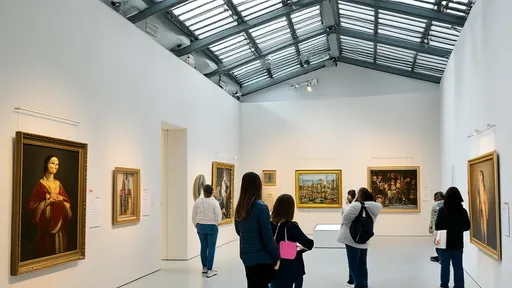
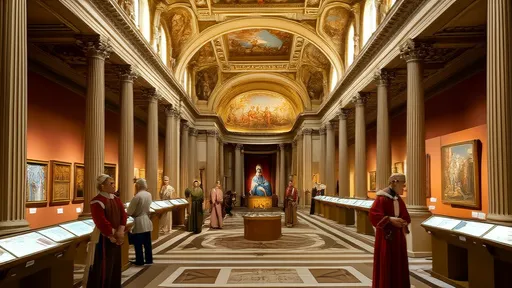
The hallowed halls of the Kunsthistorisches Museum in Vienna, long revered as a sanctuary of classical art, have quietly undergone a subtle yet profound transformation. In an ambitious move to bridge centuries of artistic achievement with contemporary technological engagement, the museum has unveiled a comprehensive augmented reality (AR) guided tour experience, inviting visitors to see its masterpieces through an entirely new lens. This initiative represents not merely an addition to the visitor's toolkit but a fundamental reimagining of the dialogue between the observer and the art object.
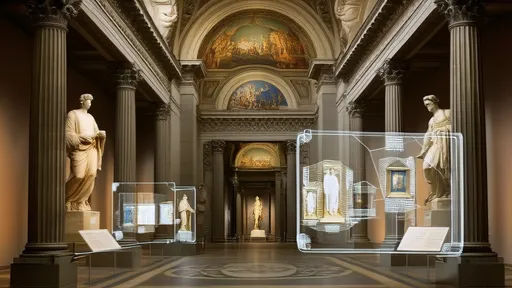
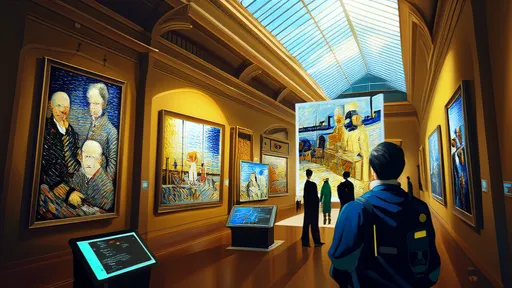
Developed in a multi-year collaboration between the museum's curatorial staff, digital archivists, and a specialist technology partner, the AR experience is accessed through high-end, museum-provided tablets or via a dedicated application on visitors' personal devices. Upon entering a gallery, the system activates, overlaying a rich tapestry of digital information onto the physical reality viewed through the device's camera. A gentle hover over Rembrandt's introspective self-portrait might trigger a soft glow around the canvas, followed by a discreet menu offering layers of exploration: biographical details of the artist, an animated breakdown of his brushwork technique, or even an audio clip of a curator discussing the painting's restoration.
The true sophistication of the platform lies in its depth and narrative power. It is designed to be non-intrusive, allowing the physical artwork to remain the undisputed focal point. The digital augmentations serve as a dynamic supplement, a knowledgeable companion whispering context into the viewer's ear. For instance, focusing on Bruegel the Elder's monumental "The Tower of Babel" can unveil a time-lapse visualization showing the various stages of the painting's creation, highlighting changes the artist made during the process. Another layer might isolate and zoom in on specific, often overlooked characters within the bustling scene, telling their micro-stories and explaining their symbolic significance.
This foray into augmented reality is positioned by Director General Sabine Haag as a response to a evolving mission of public institutions. "Our primary duty is the preservation of these cultural treasures for future generations," she stated at the launch event, "but an equal part of that duty is ensuring they remain vibrant, relevant, and accessible to the public of today. This technology allows us to unlock the stories hidden within the frames, to make the static dynamic, without ever touching a single painting." The project aims to cater to a diverse audience, from art historians seeking deeper scholarly analysis to families with children who might be engaged by interactive, gamified elements like treasure hunts for specific details within paintings.
Initial visitor feedback, gathered through surveys and direct observation, has been overwhelmingly positive. Many report a renewed sense of discovery, even if they are repeat visitors to the museum. The ability to control the flow of information empowers individuals to customize their journey based on their interests, creating a more personal and memorable connection with the collection. The museum has been careful to designate certain galleries as "AR-free zones" for those who prefer a traditional, contemplative experience, ensuring the technology enhances rather than dictates the visitor experience.
Beyond the visitor-facing application, the backend of the AR system serves a crucial archival and educational purpose. The immense amount of data compiled—high-resolution scans, infrared reflectography, conservation reports, and scholarly commentary—now exists in a unified digital ecosystem. This not only aids in ongoing research and conservation efforts but also creates a powerful resource for remote education, allowing students and enthusiasts worldwide to undertake detailed virtual study of works they might never see in person.
The Kunsthistorisches Museum's investment in AR signals a significant moment for the cultural sector worldwide. It demonstrates a mature and thoughtful approach to digital integration, one that prioritizes enhancing understanding over flashy gimmickry. By using technology to peel back the layers of history and technique, the museum has succeeded in making its ancient masterpieces speak anew. It proves that the future of art appreciation does not lie in replacing the original object, but in using new tools to illuminate its context, its creation, and its enduring power in ways previously confined to the imagination.
By /Sep 11, 2025
By /Sep 11, 2025
By /Sep 11, 2025
By /Sep 11, 2025

By /Sep 11, 2025
By /Sep 11, 2025
By /Sep 11, 2025
By /Sep 11, 2025
By /Sep 11, 2025
By /Sep 11, 2025
By /Sep 11, 2025
By /Sep 11, 2025
By /Sep 11, 2025
By /Sep 11, 2025
By /Sep 11, 2025
By /Sep 11, 2025
By /Sep 11, 2025
By /Sep 11, 2025
By /Sep 11, 2025
By /Sep 11, 2025
