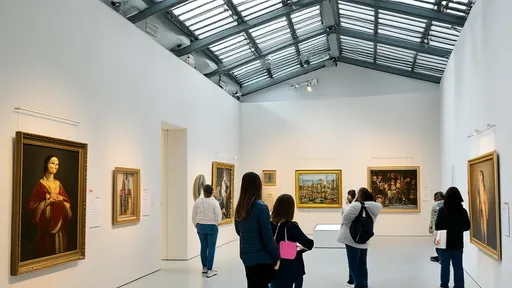
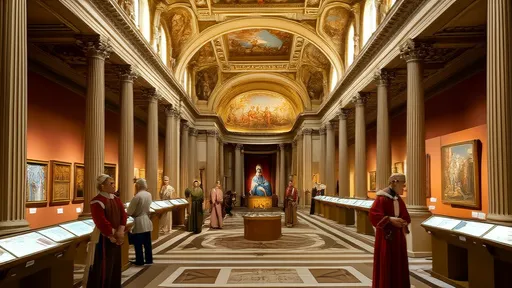
The Quirinale Museum in Rome has unveiled a groundbreaking exhibition that merges historical preservation with cutting-edge technology, offering visitors an unprecedented journey into the heart of the Renaissance. Titled "Renaissance Reimagined: The Digital Archives," this showcase represents a monumental effort to digitize and present rare manuscripts, artworks, and cultural artifacts from one of history's most transformative eras. By leveraging high-resolution scans, 3D modeling, and interactive displays, the museum has created an immersive experience that transcends traditional exhibitions, allowing audiences to engage with the Renaissance in ways previously unimaginable.
At the core of this exhibition is a vast digital archive, meticulously compiled over several years through collaborations with historians, technologists, and cultural institutions worldwide. This archive includes digitized versions of fragile documents, such as personal letters from luminaries like Leonardo da Vinci and Michelangelo, as well as sketches, architectural plans, and musical scores that have rarely been accessible to the public. Each item is accompanied by detailed annotations, contextual narratives, and multimedia elements that breathe life into the past, transforming static objects into dynamic stories.
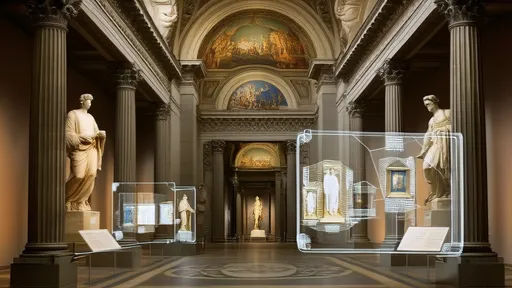
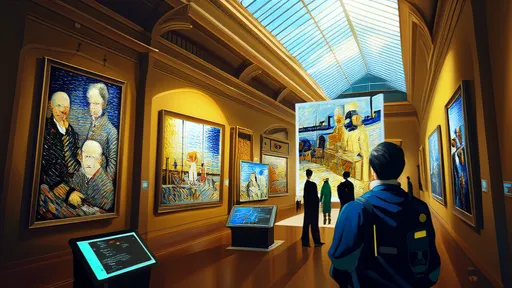
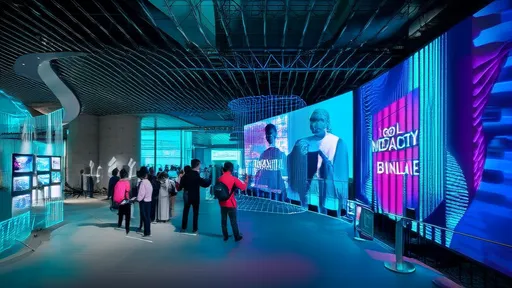
The technological prowess behind this project is nothing short of remarkable. Using advanced imaging techniques, curators have captured the finest details of artworks and texts, revealing nuances that are often invisible to the naked eye. For instance, visitors can zoom into a digital replica of Raphael's sketches to observe the subtle strokes and corrections, gaining insight into the artist's creative process. Similarly, interactive timelines and maps allow users to explore the geographical and chronological spread of Renaissance ideas, highlighting how movements in Florence influenced developments in Venice, Rome, and beyond.
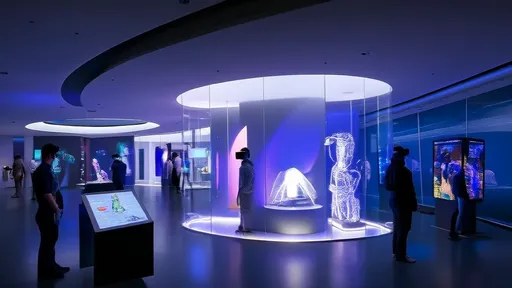
One of the most compelling aspects of the digital archive is its emphasis on accessibility and education. By breaking down barriers of physical distance and preservation concerns, the exhibition opens the Renaissance to a global audience. Schools and universities can integrate these resources into their curricula, while researchers gain new tools for analysis and comparison. The museum has also incorporated virtual reality stations where visitors can "step into" reconstructed Renaissance studios or palaces, enhancing their understanding of the era's spatial and cultural contexts.
Critics and visitors alike have praised the exhibition for its innovative approach to cultural heritage. Dr. Elena Rossi, a leading art historian, remarked, "This is not merely a display of artifacts; it is a reanimation of history. The digital archive allows us to question, explore, and connect with the Renaissance on a personal level, making it relevant for contemporary audiences." The project also addresses ongoing challenges in museum curation, such as the need to preserve delicate items while ensuring their availability for future generations.
Beyond its educational value, the exhibition sparks conversations about the role of technology in humanities. It demonstrates how digital tools can enhance rather than detract from the authenticity of historical experiences. For example, augmented reality features enable visitors to hold their smartphones over a digitized painting to see layers of restoration or underlying sketches, revealing the hidden histories beneath masterpieces. This fusion of old and new encourages a deeper appreciation for both the Renaissance's achievements and modern innovations.
The Quirinale Museum's initiative is part of a broader trend in the cultural sector towards digital transformation. However, it stands out due to its scale and depth, offering a comprehensive portal into Renaissance life. From political treaties and scientific diagrams to intimate diaries and fashion illustrations, the archive covers diverse facets of the period, presenting a holistic view that goes beyond the typical focus on art and architecture. This inclusivity allows visitors to discover lesser-known figures and stories, enriching the narrative of the Renaissance.
Looking ahead, the museum plans to expand the digital archive with ongoing additions and updates, ensuring it remains a living resource. Collaborations with international institutions may lead to virtual exchanges where artifacts from different collections are digitally juxtaposed, fostering cross-cultural studies. The success of this exhibition also sets a precedent for other museums to adopt similar approaches, potentially revolutionizing how we engage with history worldwide.
In conclusion, the "Renaissance Reimagined: The Digital Archives" exhibition at the Quirinale Museum is a testament to the power of technology to preserve and propagate cultural heritage. It invites audiences to delve into the Renaissance with fresh eyes, offering a blend of scholarly rigor and engaging storytelling. As we navigate an increasingly digital world, projects like this remind us that the past can be not only protected but also revitalized, inspiring new generations to explore and cherish human creativity.
By /Sep 11, 2025
By /Sep 11, 2025
By /Sep 11, 2025
By /Sep 11, 2025

By /Sep 11, 2025
By /Sep 11, 2025
By /Sep 11, 2025
By /Sep 11, 2025
By /Sep 11, 2025
By /Sep 11, 2025
By /Sep 11, 2025
By /Sep 11, 2025
By /Sep 11, 2025
By /Sep 11, 2025
By /Sep 11, 2025
By /Sep 11, 2025
By /Sep 11, 2025
By /Sep 11, 2025
By /Sep 11, 2025
By /Sep 11, 2025
