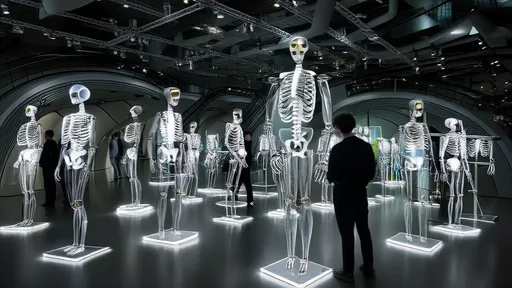
The Chicago Architecture Biennial has once again positioned itself at the forefront of global architectural discourse, this year turning its focus toward the urgent and multifaceted theme of sustainable urban design. As cities worldwide grapple with the escalating challenges of climate change, resource depletion, and rapid urbanization, the 2023 edition serves as a critical platform for architects, planners, artists, and thinkers to present visionary yet pragmatic solutions. Titled Reimagining the Urban Fabric, the Biennial transcends mere exhibition, transforming into a dynamic workshop for the future of our metropolitan landscapes.
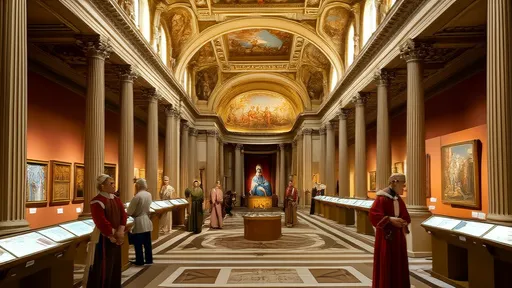
Walking through the various installations and exhibits, one is immediately struck by the shift from theoretical abstraction to tangible application. This is not a Biennial of fantastical, unbuildable structures; it is a grounded presentation of ideas that are being tested, prototyped, and implemented in cities from Copenhagen to Singapore. The curatorial team, led by renowned environmental designer Elena Vargas, has meticulously assembled projects that emphasize a holistic view of sustainability. This encompasses not only environmental resilience and carbon neutrality but also social equity, economic viability, and cultural vitality. The message is clear: a sustainable city is not just about green buildings; it is about creating a just and thriving ecosystem for all its inhabitants.
A dominant thread weaving through the exhibitions is the innovative use of materials. We are moving far beyond simple recycling into the realm of advanced material science. Several pavilions showcase buildings designed for complete disassembly, where every component, from structural beams to interior partitions, can be dismantled and reused or returned safely to the biosphere. One standout project, Mycelium High-Rise, presents a startling prototype for a structural system grown from fungi and agricultural waste, capable of bearing significant loads while sequestering carbon. Another explores the use of algae-infused bio-panels on building facades, which actively absorb carbon dioxide from the air and can be harvested to produce biofuel, effectively turning skyscrapers into vertical power plants.
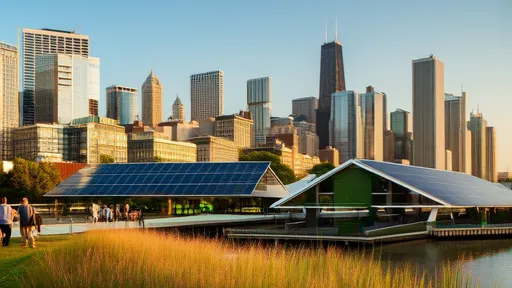
Equally compelling is the Biennial's emphasis on water and energy. With increasing instances of both drought and flooding affecting urban centers, water management has become a central pillar of sustainable design. Exhibits feature ingenious systems for capturing, purifying, and reusing rainwater and greywater within city blocks, drastically reducing dependence on municipal systems. One interactive model demonstrates a city district designed as a sponge, with permeable surfaces, green roofs, and constructed wetlands that absorb stormwater, prevent flooding, recharge aquifers, and create new urban green spaces. On the energy front, the focus is on decentralization and resilience. Micro-grids powered by a combination of solar, wind, and kinetic energy harvested from pedestrian footfall are presented not as futuristic concepts but as immediately viable solutions for increasing urban energy independence and security.
Perhaps the most profound discussions ignited by this year's Biennial revolve around social sustainability and the right to the city. A powerful series of installations, collectively titled Housing for Dignity, challenges visitors to confront the global housing crisis. These projects move past sterile, top-down development models, instead showcasing community-led design processes that result in affordable, adaptable, and culturally resonant housing. They demonstrate how co-design and participatory planning can create neighborhoods that are not only sustainable in their resource use but also in their social cohesion and resilience. This human-centered approach argues that true sustainability is impossible without addressing inequality and ensuring that urban development benefits all citizens, not just a privileged few.
The Biennial also courageously tackles the legacy of urban infrastructure, particularly the often-contentious relationship between cities and automobiles. Several proposals re-envision vast tracts of land currently dedicated to roads and parking, presenting models for their conversion into linear parks, urban farms, and affordable housing corridors. The exhibit The Green Arterial presents a detailed plan for transforming a major urban highway into a multi-modal transit corridor shaded by a continuous canopy of native trees, fundamentally altering the environmental and social dynamics of the adjacent neighborhoods. This is not about mere pedestrianization; it is a comprehensive rethinking of mobility, prioritizing electric mass transit, cycling, and walking to create quieter, cleaner, and more connected communities.
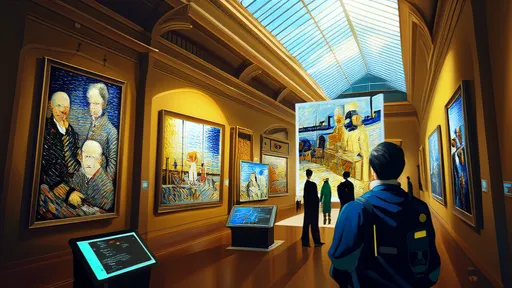
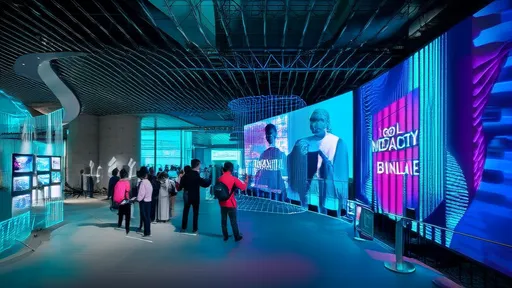
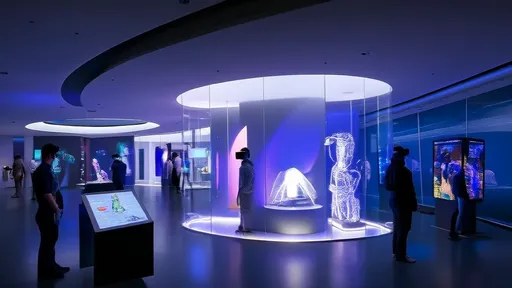
Technology's role is omnipresent yet thoughtfully integrated. The Biennial avoids techno-utopianism, instead presenting data and digital tools as enablers of human-centric design. Interactive dashboards show real-time energy and water usage of model buildings, while AI-driven simulations help planners optimize sunlight exposure, wind patterns, and green space distribution to maximize comfort and minimize energy consumption. The key takeaway is that technology is a powerful servant to sustainability goals, not an end in itself. It is the means to create more responsive, efficient, and livable environments.
As the Chicago Architecture Biennial draws to a close, its impact is sure to ripple far beyond the walls of the Chicago Cultural Center. It has successfully framed sustainable urban design not as a niche specialization or a constraint on creativity, but as the most pressing and inspiring design challenge of our time. The projects on display offer a hopeful, pragmatic, and deeply necessary blueprint for the future. They prove that by embracing innovation, prioritizing equity, and learning from nature, we can build cities that are not only capable of surviving the challenges ahead but can truly thrive, becoming engines of well-being and harmony for generations to come. The conversation has been elevated; the call to action is clear. The future of our urban world is being designed here, and now.
By /Sep 11, 2025
By /Sep 11, 2025
By /Sep 11, 2025
By /Sep 11, 2025
By /Sep 11, 2025
By /Sep 11, 2025
By /Sep 11, 2025
By /Sep 11, 2025
By /Sep 11, 2025

By /Sep 11, 2025
By /Sep 11, 2025
By /Sep 11, 2025
By /Sep 11, 2025
By /Sep 11, 2025
By /Sep 11, 2025
By /Sep 11, 2025
By /Sep 11, 2025
By /Sep 11, 2025
By /Sep 11, 2025
By /Sep 11, 2025
