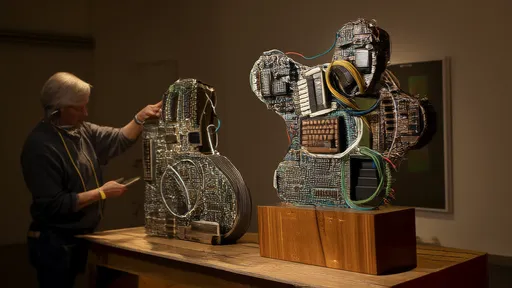
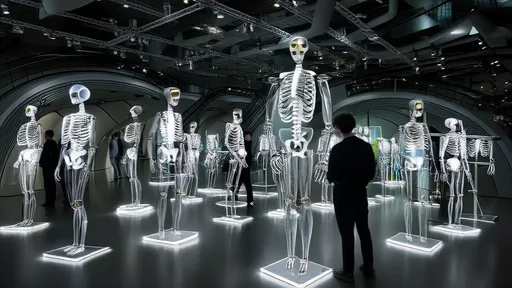
Tate Modern in London has unveiled a groundbreaking exhibition titled "The Body in the Posthuman Era," a provocative exploration of how technology, science, and contemporary culture are reshaping human identity and physical form. This ambitious show brings together works from over 40 international artists, filmmakers, and designers, offering a multifaceted look at the evolving relationship between humanity and the machines, algorithms, and biotechnologies that define our age. Running through the end of the year, the exhibition challenges visitors to reconsider what it means to be human in a world where boundaries between organic and synthetic, real and virtual, are increasingly blurred.
The exhibition is structured around several thematic sections, though it avoids rigid categorization, allowing for a fluid and immersive visitor experience. One of the central themes is the impact of digital technology on bodily perception. Works like Lynn Hershman Leeson's interactive installations probe how surveillance and artificial intelligence influence self-image and autonomy, while Ed Atkins' hyper-real digital videos evoke unsettling emotions through CGI-generated bodies that seem almost alive. These pieces highlight a world where the body is not just represented but also manipulated and extended through digital means, raising questions about authenticity and agency.
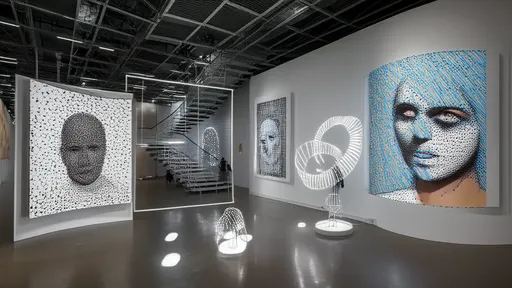
Another significant focus is biotechnology and genetic engineering, which push the boundaries of life itself. Artists such as Heather Dewey-Hagborg present pieces that use DNA samples to create sculptural portraits, blurring the line between art and science. Her work, along with others in this section, examines the ethical implications of gene editing and biohacking, suggesting a future where humans can design their bodies and those of their offspring. This part of the exhibition doesn’t shy away from controversy, inviting viewers to ponder the moral dilemmas posed by such advancements.
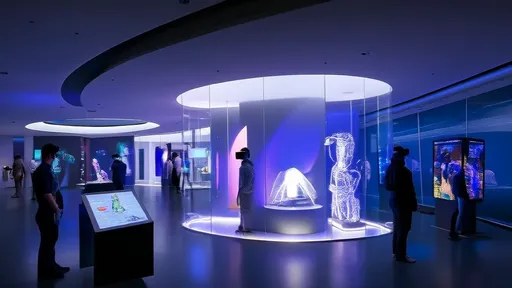
The show also delves into the realm of virtual and augmented realities, where physical presence is augmented or replaced by digital avatars. Installations by artists like Jakob Kudsk Steensen create immersive environments that question the nature of embodiment in virtual spaces. Through VR headsets and interactive displays, visitors can experience altered states of being, from floating in digital ecosystems to inhabiting non-human forms. This section underscores how technology is not only changing how we see our bodies but also how we experience and interact with the world around us.
In addition to technology-driven works, the exhibition features pieces that address social and political dimensions of the posthuman body. For instance, Neri Oxman's wearable designs, created using 3D printing and organic materials, explore sustainability and the integration of nature with human form. Meanwhile, works by Arthur Jafa and Tourmaline use film and photography to examine how race, gender, and identity are constructed and contested in a tech-saturated society. These contributions remind us that the posthuman era is not just about futuristic gadgets but also about rethinking inclusivity, equity, and representation.
Curated by Dr. Elena Richards, the exhibition avoids a techno-utopian perspective, instead presenting a balanced view that acknowledges both the promises and perils of posthumanism. In her curator's statement, Richards emphasizes that the goal is to foster dialogue rather than provide answers. "We are at a crossroads," she writes, "where technological innovation could lead to greater empathy and connection or to deeper alienation and inequality. This exhibition invites us to reflect on the choices we make today that will shape the bodies and societies of tomorrow." This thoughtful approach is evident throughout the show, which combines awe-inspiring installations with critical commentary.
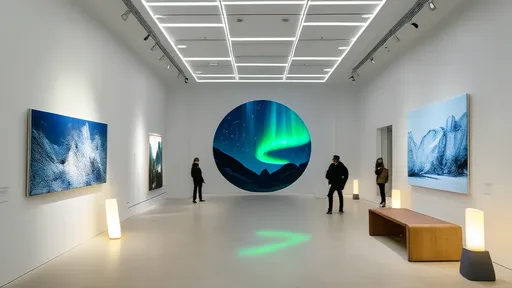
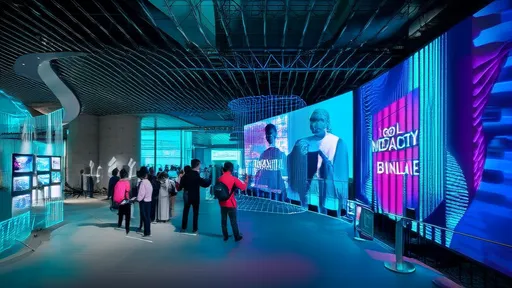
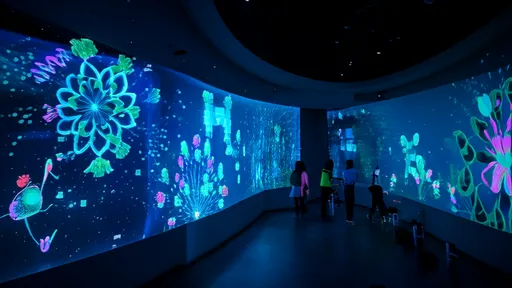
The exhibition design itself is a feat of innovation, featuring dynamic lighting, soundscapes, and spatial arrangements that enhance the thematic content. For example, the use of mirrored surfaces and responsive projections in some areas creates an ever-changing environment that mirrors the fluidity of posthuman identity. Visitors are encouraged to engage actively with the works, whether through touchscreens, motion sensors, or participatory elements, making the experience both personal and collective.
Public response has been overwhelmingly positive, with critics praising the exhibition's timeliness and depth. The Guardian called it "a must-see for anyone interested in the future of humanity," while Artforum highlighted its ability to "merge aesthetic pleasure with intellectual rigor." Educational programs, including talks by artists and scientists, as well as workshops for schools, extend the exhibition's impact beyond the gallery walls, fostering broader community engagement.
As society grapples with rapid technological change, "The Body in the Posthuman Era" at Tate Modern serves as a crucial cultural touchstone. It not only showcases cutting-edge art but also prompts essential conversations about ethics, identity, and human evolution. By presenting diverse perspectives without prescribing outcomes, the exhibition empowers visitors to form their own conclusions about the future of the body in an increasingly posthuman world. Don’t miss this thought-provoking journey into what it means to be human—and what we might become.
Exhibition Details: "The Body in the Posthuman Era" is on view at Tate Modern, London, from June 15 to December 20. Tickets are available online, with discounts for students and seniors. For more information, visit Tate Modern's official website.
By /Sep 11, 2025
By /Sep 11, 2025

By /Sep 11, 2025

By /Sep 11, 2025
By /Sep 11, 2025
By /Sep 11, 2025

By /Sep 11, 2025
By /Sep 11, 2025
By /Sep 11, 2025

By /Sep 11, 2025
By /Sep 11, 2025
By /Sep 11, 2025
By /Sep 11, 2025
By /Sep 11, 2025
By /Sep 11, 2025
By /Sep 11, 2025
By /Sep 11, 2025
By /Sep 11, 2025
By /Sep 11, 2025
By /Sep 11, 2025
