The ancient art of Chinese classical poetry recitation, once confined to scholarly circles and traditional performances, is experiencing a remarkable renaissance through modern adaptation. This cultural evolution represents not merely a preservation effort but a dynamic reinterpretation that bridges millennia of literary heritage with contemporary artistic expression. Across concert halls, digital platforms, and educational institutions, the melodic cadences of Tang and Song dynasty verses are being reimagined through innovative musical arrangements, technological integration, and cross-cultural collaborations.
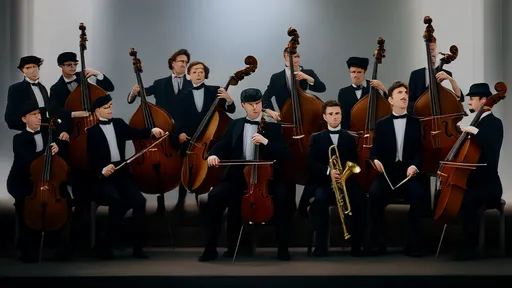
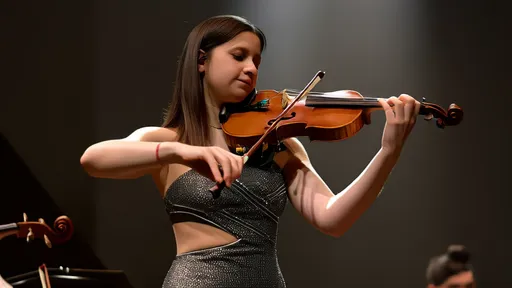
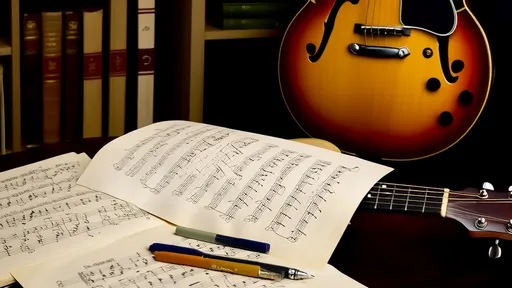
The transformation begins with the fundamental reinterpretation of vocal delivery. Traditional chanting, followed specific melodic patterns that varied by region and school of thought. Modern adaptations liberate these patterns while respecting their essence. Contemporary composers and musicians are creating new musical frameworks that incorporate elements from jazz, electronic, folk, and even rock genres. The poems of Li Bai and Du Fu now resonate with acoustic guitar accompaniments, while the works of Su Shi might be set against ambient electronic soundscapes. This musical hybridization maintains the tonal intricacies of classical Chinese while making the emotional core accessible to modern ears.
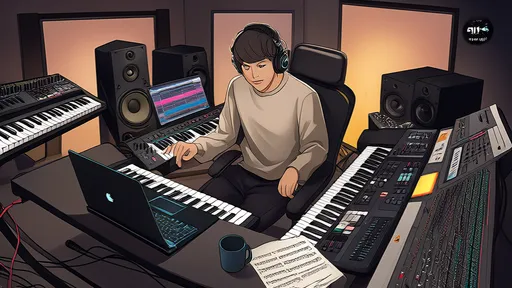
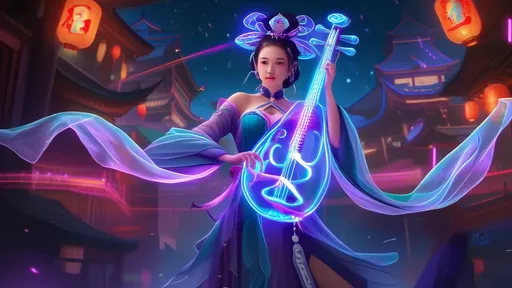
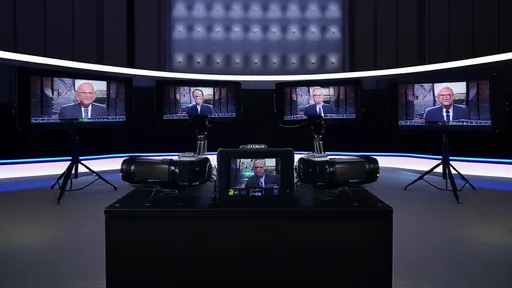
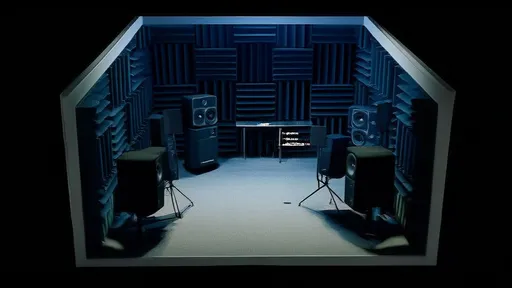
Technological innovation plays a pivotal role in this cultural transformation. Sophisticated audio production techniques allow artists to layer traditional instruments like the guqin and pipa with synthetic sounds, creating rich auditory landscapes. Visual components have become equally important, with performances often accompanied by projected calligraphy, animated ink wash paintings, or abstract digital art that responds to vocal nuances. These multimedia experiences transform poetry recitation from an auditory exercise into an immersive sensory journey, particularly appealing to younger audiences raised in digital environments.
The adaptation movement has found particularly fertile ground in educational contexts. Language teachers discover that modern musical settings help students grasp the emotional depth and rhythmic beauty of classical poetry more effectively than rote memorization. University music departments increasingly offer courses blending traditional Chinese vocal techniques with contemporary composition. This educational dimension ensures the transmission of cultural knowledge while encouraging creative experimentation among new generations of artists.
Notable projects exemplify this trend's creative potential. The "Poetry in Motion" concert series features collaborations between classically trained poets and electronic musicians, resulting in performances where ancient verses are recited over minimalist techno beats. The acclaimed album "Whisper of Ancient Strings" by composer Liang Bo integrates field recordings from historical sites with readings of poetry associated with those locations. Such projects demonstrate how modern adaptation can create meaningful dialogue between past and present artistic sensibilities.
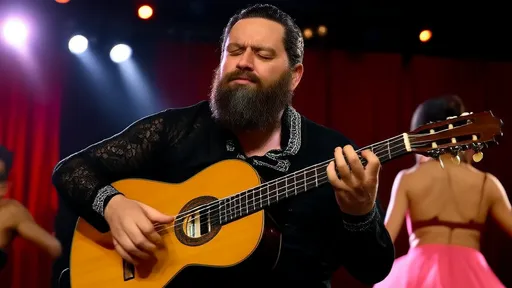
Cross-cultural fusion represents another fascinating development. International collaborations have produced works blending Chinese poetry with Western musical traditions, Flamenco guitar accompaniments to Song dynasty lyrics, or jazz improvisations based on Tang poetic meters. These cross-cultural experiments not only introduce Chinese poetry to global audiences but also create new artistic languages that transcend cultural boundaries while honoring the source material's essence.
The digital landscape has dramatically expanded the reach and form of these adaptations. Social media platforms host viral videos of modern poetry recitations, while dedicated streaming channels offer curated collections of contemporary interpretations. Mobile applications provide interactive experiences where users can explore different musical settings for the same poem. This digital proliferation has created global communities of enthusiasts who share, discuss, and create modern adaptations, democratizing what was once an elite cultural practice.
Critical discourse surrounding these adaptations reveals ongoing tensions between preservation and innovation. Traditionalists argue that modern interpretations risk diluting the authentic character of classical poetry, while innovators emphasize the necessity of making cultural heritage relevant to contemporary society. This debate itself reflects the living nature of cultural tradition—the continuous negotiation between honoring the past and speaking to the present. Most artists engaged in adaptation work navigate this balance consciously, seeking to create works that respect historical authenticity while embracing creative freedom.
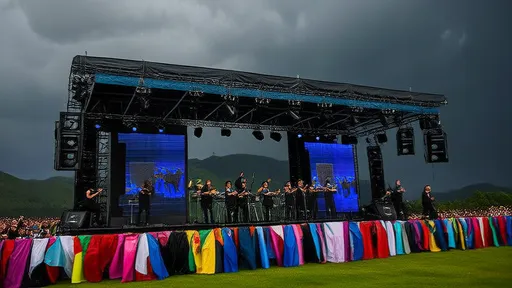
The commercial dimension of this movement cannot be overlooked. Recordings of modern poetry adaptations achieve significant sales, both in physical and digital formats. Live performances attract diverse audiences, from elderly connoisseurs of traditional culture to young urban professionals seeking meaningful cultural experiences. This commercial viability ensures the sustainability of artistic innovation while demonstrating the enduring appeal of classical poetry when presented through contemporary frameworks.
Looking forward, the modernization of classical poetry recitation continues to evolve. Emerging technologies like artificial intelligence now experiment with generating musical settings based on analysis of poetic structure and content. Virtual reality experiences allow users to immerse themselves in poetic landscapes while hearing modern recitations. These developments suggest that the fusion of ancient poetry and modern interpretation will continue to generate innovative artistic expressions that honor China's literary heritage while continuously reinventing it for new generations.
Ultimately, the modern adaptation of classical Chinese poetry recitation represents more than artistic innovation—it embodies the living relationship between cultural heritage and contemporary creativity. By breathing new life into ancient verses through modern musical sensibilities and technologies, artists and performers ensure that the emotional depth and philosophical wisdom of classical poetry remain vibrant and relevant. This cultural movement demonstrates how tradition and innovation can coexist productively, creating artistic expressions that honor the past while speaking powerfully to the present.
By /Aug 22, 2025

By /Aug 22, 2025
By /Aug 22, 2025
By /Aug 22, 2025
By /Aug 22, 2025
By /Aug 22, 2025
By /Aug 22, 2025

By /Aug 22, 2025
By /Aug 22, 2025
By /Aug 22, 2025
By /Aug 22, 2025
By /Aug 22, 2025
By /Aug 22, 2025
By /Aug 22, 2025
By /Aug 22, 2025
By /Aug 22, 2025
By /Aug 22, 2025
By /Aug 22, 2025
By /Aug 22, 2025
By /Aug 22, 2025
