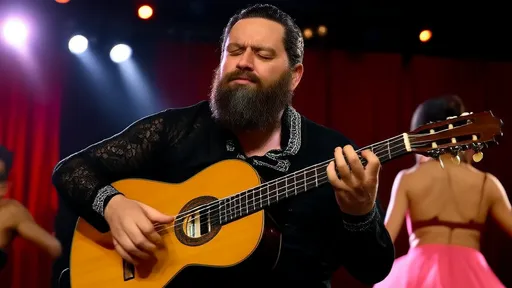
In the realm of performance, whether it be a grand opera, an intimate jazz club, or a roaring rock concert, the visual harmony between an artist's attire and their instrument is not merely a matter of chance but a deeply considered aesthetic choice. This synergy speaks a silent language to the audience, setting the tone before a single note is played. It is a dialogue between the visual and the auditory, a fusion that can elevate a performance from mere entertainment to a holistic art form. The right combination can tell a story, evoke an era, or amplify the emotional resonance of the music itself, creating a cohesive and unforgettable experience.
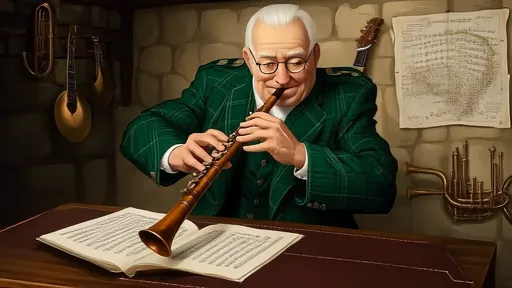
The history of this pairing is as old as performance itself. In the courts of Renaissance Europe, lutenists and minstrels would often be adorned in garments that reflected the opulence and craftsmanship of their intricately decorated instruments. The rich, dark woods of a lute or a viola da gamba were complemented by velvets, silks, and elaborate embroidery, creating a visual representation of the sophisticated music they produced. This was not vanity; it was a statement of purpose and status. The instrument was an extension of the self, and the clothing was the frame that completed the portrait. This tradition established a fundamental principle: the performer and their tool are a single entity on stage.
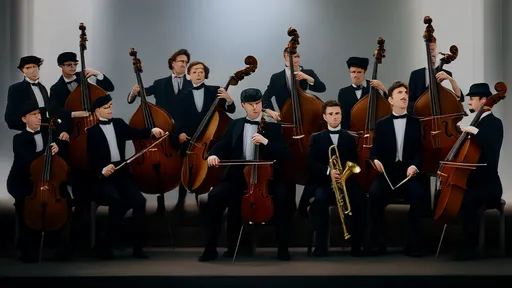
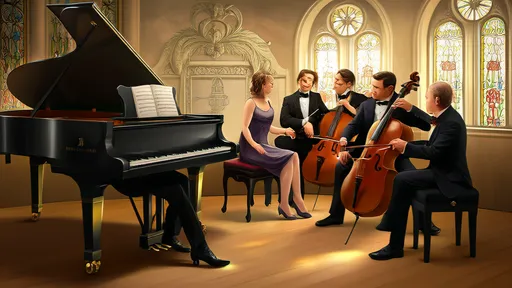
Moving into the classical era, a certain formality took hold. The rise of the symphony orchestra brought with it a standardised uniform: the black tuxedo or formal gown. This was a deliberate aesthetic move towards uniformity, designed to shift the audience's focus entirely onto the music. The black attire receded into the background, allowing the gleaming brass of the trumpets, the rich brown of the cellos, and the polished black of the grand piano to become the visual anchors. Here, the aesthetic was one of sublime contrast. The monochromatic musicians became a single, powerful organism, their individual instruments shining as the singular points of visual interest against a sea of black. It was a lesson in minimalism where the absence of flamboyant costume made the instruments themselves the stars.
Conversely, the birth of jazz in the early 20th century introduced a new, charismatic energy to the stage. The instrument became a badge of cool, and the clothing an expression of individuality and rebellion against the formality of the past. Think of the sharp, tailored zoot suits of the swing era, their exaggerated proportions mirroring the bold, soaring phrases of a saxophone solo. The gleaming brass of a trumpet seemed to reflect the sharp lines of a lapel, while the smooth curves of a double bass were echoed in the drape of a well-cut jacket. This was where personality exploded onto the stage. The musician's style was as improvisational and soulful as their music, creating a seamless blend of sight and sound that defined an entire cultural movement.
The rock and roll revolution took this concept of rebellious pairing and amplified it to theatrical extremes. Here, the instrument is often a weapon, and the costume is battle armour. The aesthetic became about raw power, rebellion, and spectacle. The fierce, angular shape of an electric guitar was matched by studded leather jackets, ripped jeans, and heavy boots. Artists like Jimi Hendrix or Jimmy Page didn't just play their guitars; they wielded them, and their flamboyant, psychedelic, or aggressively rugged clothing completed the image of the rock god. The finish of a guitar—a sunburst Les Paul or a mirrored Flying V—could directly influence a costume's colour palette or texture. This was not subtle harmony; it was a deliberate, powerful collision of visual and auditory noise designed to overwhelm the senses.
In the world of pop, the aesthetic calculus often shifts towards branding and iconic imagery. The instrument can become a prop, an integral part of a highly stylised visual identity. Madonna’s keytar, Prince's cloud guitar, or Lady Gaga's piano—these are not just instruments; they are custom-designed pieces of art that are inextricably linked to the outfit she wears and the character she portrays. The colour, shape, and material of the instrument are meticulously coordinated with the costume to create a single, powerful image that is instantly recognisable. This is where music meets high fashion, and the pairing is often conceived as a total work of art, designed for the camera as much as for the live audience.
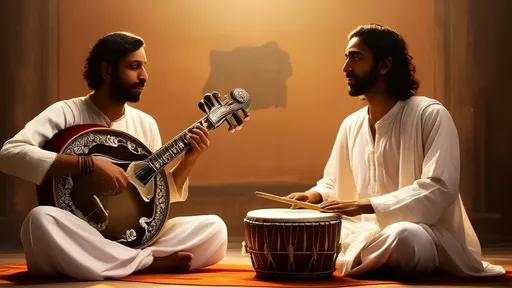
Folk and world music traditions offer a profoundly different perspective, one rooted in cultural authenticity and heritage. Here, the pairing is often organic and symbolic. The traditional clothing of a culture is frequently made from materials and using techniques that resonate with the construction of its native instruments. The natural woods and animal skins of a West African djembe are complemented by hand-dyed, woven fabrics like kente cloth. The intricate inlay of an Indian sitar finds its visual echo in the detailed embroidery of a sherwani or a sari. This connection grounds the performance in a specific place and history, making the music a full sensory journey into its culture of origin. The aesthetic is one of truth and origin, where every element tells a part of a larger story.
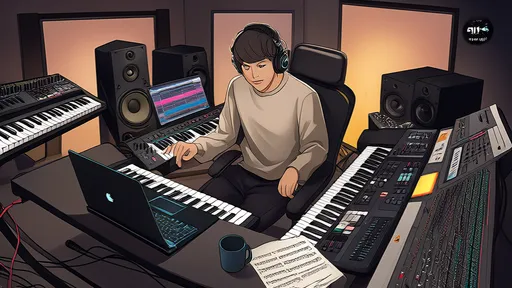
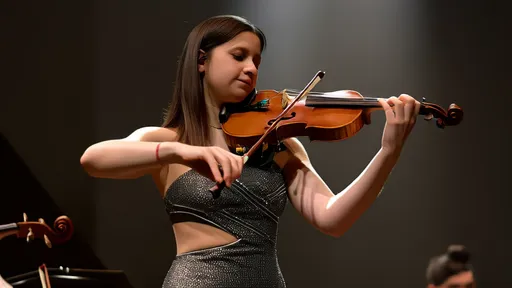
For the contemporary performing musician, navigating this aesthetic landscape is a complex task. It involves a deep understanding of their own musical identity, the genre's conventions, and the message they wish to convey. A solo cellist might choose a flowing, minimalist dress that allows the elegant form of the cello to remain the focal point, its curves mirrored in the drape of the fabric. A synth-wave artist might embrace retro-futuristic aesthetics, with outfits featuring sleek metallics and clean lines that mirror the minimalist design of their analog synthesizers. The choice of whether to match, contrast, or completely reinvent these visual relationships is a crucial part of their artistic expression.
Ultimately, the aesthetics of pairing performance wear with an instrument is a vital, though sometimes overlooked, pillar of musical performance. It is a non-verbal language that communicates context, emotion, and intention. From the unified formality of the orchestra to the explosive individuality of the rock star, these choices create a visual soundtrack that prepares the audience for the auditory experience to come. When executed with intention, this harmony does not just accompany the music; it completes it, transforming sound and vision into a single, unforgettable artistic statement.

By /Aug 22, 2025

By /Aug 22, 2025
By /Aug 22, 2025
By /Aug 22, 2025
By /Aug 22, 2025
By /Aug 22, 2025

By /Aug 22, 2025

By /Aug 22, 2025
By /Aug 22, 2025

By /Aug 22, 2025

By /Aug 22, 2025
By /Aug 22, 2025

By /Aug 22, 2025
By /Aug 22, 2025
By /Aug 22, 2025
By /Aug 22, 2025

By /Aug 22, 2025
By /Aug 22, 2025
By /Aug 22, 2025
By /Aug 22, 2025
