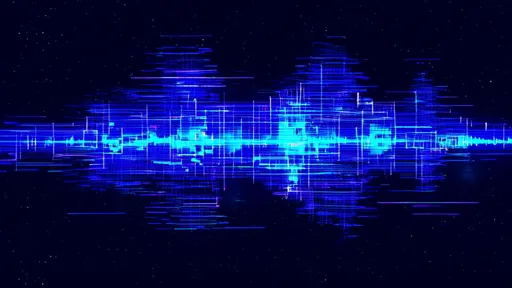
In the vast landscape of sound design, few elements possess the raw, unpredictable charm of the glitch. Born from digital errors, system crashes, and corrupted data, glitch sound effects have evolved from unwanted noise to a sought-after aesthetic in music production, film, and game design. This guide delves into the essence of glitch, exploring its origins, creative applications, and techniques for crafting these captivating sonic anomalies.
The term "glitch" originates from the Yiddish word "glitsh," meaning a slip or skid, and it entered the tech lexicon in the 1960s to describe sudden malfunctions. Early computer systems and analog equipment were prone to errors that produced bizarre, often jarring sounds—digital stutters, bit-crushed distortions, and fragmented audio snippets. Initially dismissed as flaws, these sounds caught the attention of avant-garde musicians and experimental artists in the 1980s and 1990s. Pioneers like Aphex Twin and Autechre began intentionally incorporating glitches into their work, treating them as instruments rather than accidents. This shift marked the birth of glitch as an artistic medium, celebrating the beauty in digital breakdowns.
What makes glitch so compelling is its inherent unpredictability and texture. Unlike traditional sound design, which often aims for clarity and polish, glitch thrives on chaos and imperfection. It can evoke a range of emotions, from tension and unease to nostalgia and wonder, depending on its context. In film, glitch sounds are frequently used to signify technological failure, alternate realities, or psychological breaks—think of the distorted whispers in a thriller or the scrambled transmissions in a sci-fi epic. In video games, glitches can enhance immersion by mimicking system errors or creating surreal atmospheres, as seen in titles like "Beneath a Steel Sky" or "Cyberpunk 2077." Music producers use glitch effects to add rhythmic complexity and digital grit, breaking up monotonous patterns with unexpected jumps and cuts.
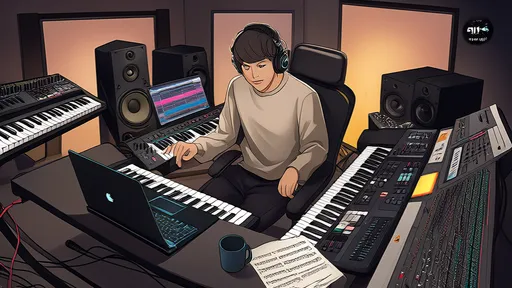
Creating glitch sound effects is both a technical and artistic endeavor. While some designers still rely on actual hardware malfunctions or software bugs, most modern glitch creation involves deliberate manipulation using digital audio workstations (DAWs) and specialized plugins. Common techniques include bit-crushing, which reduces the audio's resolution to produce a gritty, low-fi sound; granular synthesis, where audio is split into tiny grains and rearranged; and stutter editing, which involves rapid repetition of small audio segments. Tools like Glitchmachines' plugins or Ableton Live's Warp features are popular choices for crafting these effects. However, the key to effective glitch design lies in experimentation—embracing randomness, layering multiple effects, and often destroying audio to rebuild it into something new and intriguing.
Despite its digital roots, glitch sound design benefits from a human touch. Over-polished, perfectly timed glitches can feel sterile and lose their chaotic appeal. The most engaging glitch effects often incorporate organic elements, such as field recordings or analog imperfections, blended with digital processing. For instance, recording the hum of an old refrigerator and then applying bit-crushing and reversal can yield a uniquely eerie sound. This hybrid approach bridges the gap between the coldness of technology and the warmth of human creativity, resulting in glitches that feel alive and expressive.
As technology advances, the nature of glitch continues to evolve. With AI and machine learning entering the creative sphere, new possibilities emerge—such as algorithms that generate glitches based on emotional cues or contextual data. Yet, the core philosophy remains: glitch is about finding artistry in error, and its future will likely involve even deeper integration with interactive media, virtual reality, and generative art. For sound designers, the challenge is to stay ahead of the curve while honoring the raw, accidental spirit that defines glitch.
In conclusion, glitch sound effects are more than just digital noise; they are a testament to the creative potential of imperfection. Whether used to unsettle, excite, or innovate, glitches remind us that beauty often lies in the unexpected. By understanding their history, techniques, and applications, designers can harness this powerful tool to add depth and character to their projects, turning flaws into features and errors into art.

By /Aug 22, 2025

By /Aug 22, 2025

By /Aug 22, 2025

By /Aug 22, 2025

By /Aug 22, 2025

By /Aug 22, 2025
By /Aug 22, 2025

By /Aug 22, 2025
By /Aug 22, 2025

By /Aug 22, 2025

By /Aug 22, 2025

By /Aug 22, 2025
By /Aug 22, 2025

By /Aug 22, 2025

By /Aug 22, 2025
By /Aug 22, 2025

By /Aug 22, 2025

By /Aug 22, 2025

By /Aug 22, 2025

By /Aug 22, 2025
